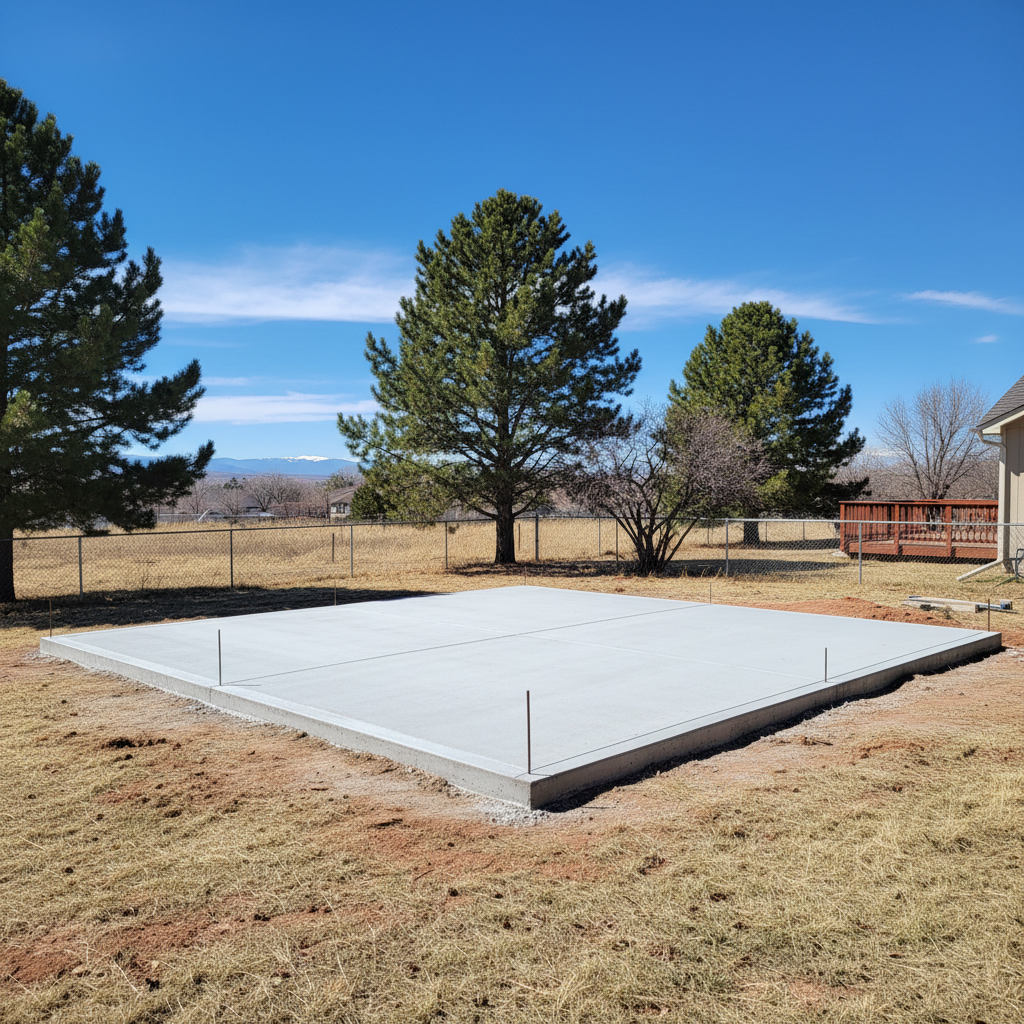
So, you’re ready for a new shed. Awesome! But before you start picturing all that extra storage, let's talk about the foundation. This isn't just some afterthought; it's literally what your shed stands on. And in Parker, with our expansive clay soils and sometimes wild weather, getting it right is crucial. You don't want your brand-new shed sinking or shifting after a few years, trust me. I've seen it happen.
What Makes Shed Foundation Costs Go Up or Down?
A lot of folks just think a foundation is a foundation, but there are several things that really drive the price. Understanding these helps you figure out what you're actually paying for.
Size of the Shed: This is pretty obvious, right? A 10x10 shed needs less material and labor than a 12x24. Bigger footprint, bigger cost. Expect to pay more per square foot for smaller foundations due to fixed costs like mobilization, but overall, larger sheds mean larger total foundation costs.
Type of Foundation: This is huge. Are we talking about gravel, concrete blocks, or a full concrete slab? Each has its own price point and benefits. Gravel is cheapest, a slab is most expensive, generally speaking.
Site Accessibility: Can we get a mini-excavator or bobcat right up to where the shed's going? Or do we have to hand-dig everything because it’s tucked behind your house with a narrow gate? The harder it is to get equipment in, the more labor hours we're looking at, and that adds up fast.
Site Preparation: Is the ground level already, or do we need to do a lot of grading? Are there old tree roots, rocks, or other debris that need to be removed? Sometimes we find old irrigation lines we have to work around. All this prep work takes time and equipment.
Soil Conditions: Ah, Parker's infamous clay. It expands and contracts with moisture, which can be a real headache for foundations. Sometimes we need to over-excavate and bring in more stable fill material to ensure a solid base, especially for concrete slabs. This isn't always necessary for smaller gravel bases, but it's a factor for anything substantial.
Permitting: For larger sheds or permanent structures, you might need a permit from Douglas County. This adds a fee and sometimes requires specific inspections, which can impact the timeline and cost.
Typical Cost Ranges for Shed Foundations in Parker
Alright, let's get down to some numbers. Keep in mind these are general ranges for our area. Every job is a bit different, but this should give you a good idea.
Gravel Base (4-6 inches deep, compacted): This is usually for smaller sheds (up to 10x12 or so) or those where you don't need a super permanent solution. You're looking at roughly $400 - $900 for materials and labor for a standard 8x10 or 10x12 shed. This includes excavation, fabric, gravel, and compaction. It's a good, affordable option for many folks.
Concrete Block/Pier Foundation: This involves setting concrete blocks or piers on a prepared gravel base. It keeps the shed off the ground, which is great for airflow and preventing rot. For a 10x12 shed, you might see costs in the range of $800 - $1,500. This is a solid step up from just gravel.
Concrete Slab (4-6 inches thick, reinforced): This is the Cadillac of shed foundations. It’s permanent, incredibly sturdy, and provides a perfectly level floor. For a 10x12 slab, expect to pay anywhere from $1,800 - $3,500+. This includes excavation, formwork, rebar or mesh, concrete, and finishing. For a larger 12x24 slab, you could easily be looking at $3,000 - $6,000 or more, especially if extensive site prep or special concrete mixes are needed for our local soils.
These numbers assume a relatively straightforward job. If we hit bedrock or need extensive grading, those costs will climb.
What Should a Quote Include?
When you get a quote from someone, make sure it’s detailed. Don't just accept a single number. A good quote from Parker Shed Solutions, or any reputable contractor, should clearly outline:
Scope of Work: What exactly are they doing? Excavation depth, type of foundation, dimensions, etc.
Materials: What kind of gravel, concrete strength, rebar, vapor barrier, etc., will be used?
Labor: How many crew members, estimated hours.
Equipment Rental: If applicable (mini-excavator, compactor).
Site Prep: Any grading, debris removal, or special soil considerations.
Permit Fees: If they're handling it, this should be itemized.
Cleanup: What happens to the excavated dirt or construction debris?
Warranty: What kind of guarantee do they offer on their work?
How to Avoid Overpaying
It's simple: get multiple quotes. But don't just go for the cheapest one. A super low bid can sometimes mean cut corners or a contractor who doesn't understand the unique challenges of building in areas like Cottonwood or Stonegate, where soil can be tricky. Ask questions. Check references. Make sure they're insured. A good contractor will be happy to explain their process and justify their pricing.
Ultimately, a solid foundation is an investment in your shed's longevity. Skimping here can lead to bigger problems and more expensive repairs down the road. Do it right the first time, and your shed will serve you well for years to come.