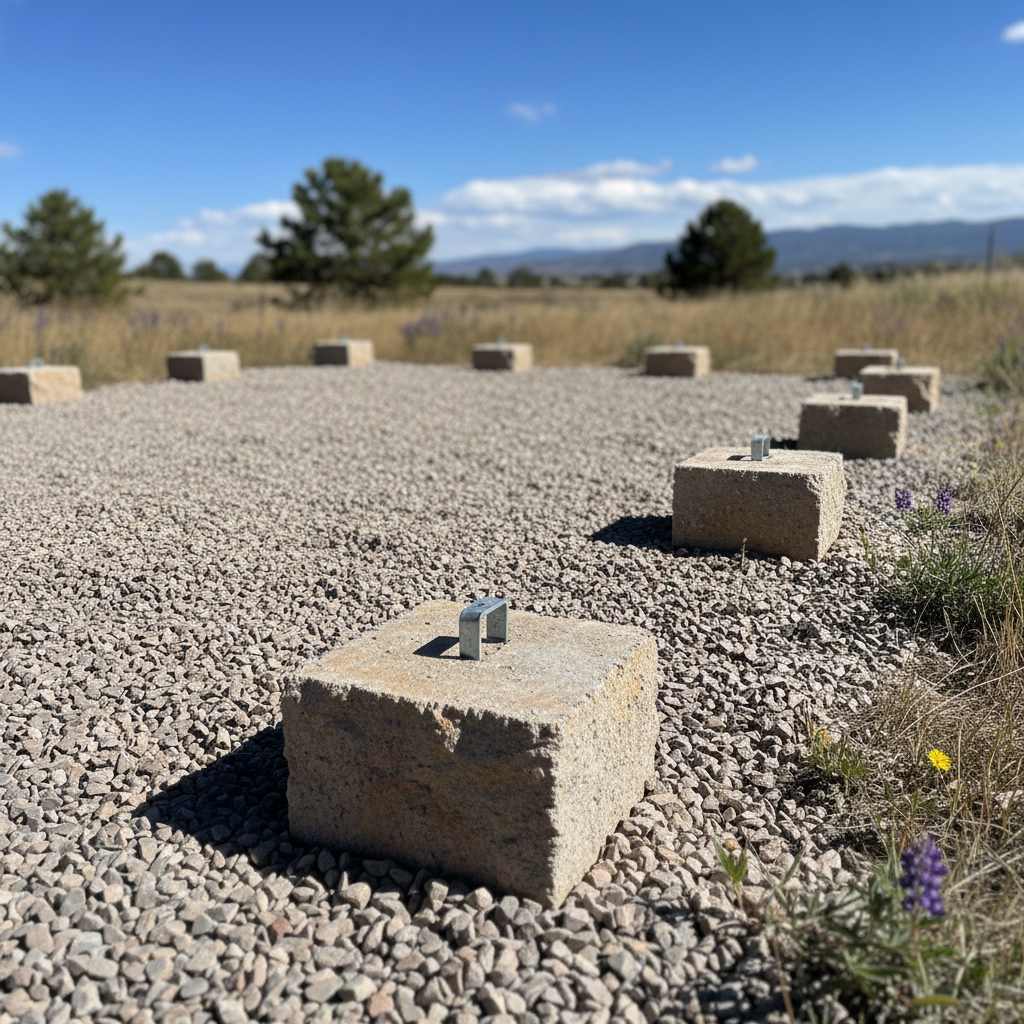
So, you've decided to put up a new shed in your backyard here in Parker. That's great! A good shed can be a real game-changer for storage, a workshop, or even just getting some clutter out of the garage. But before you even think about putting up walls, you've got to get the foundation right. Trust me, I've seen enough wonky sheds around town to know that a solid base isn't just important; it's everything.
A lot of folks ask me, "Can I do this myself?" And the answer is, sometimes, yes. But you need to know what you're getting into. Let's break down what you need to consider before, during, and after you tackle that shed foundation.
Before You Even Pick Up a Shovel
Planning is probably the most crucial part of this whole thing. Skimp here, and you'll pay for it later, literally. First off, what kind of shed are you putting up? A small 8x10 for garden tools is a lot different than a 12x20 workshop that's going to hold heavy equipment. The size and weight of your shed dictate the foundation type.
Next, check with the Town of Parker. You'll need to know about permits. Don't skip this. Building without one can cause headaches down the road, especially if you ever decide to sell your home. They'll have specific requirements for setbacks from property lines and sometimes even foundation types depending on the size. You don't want to build something only to find out you have to tear it down.
Then, think about your site. Is it level? Is it going to stay dry? Here in Parker, we've got some interesting soil conditions, often a mix of clay and expansive soils. That means water drainage is a huge deal. You don't want water pooling under your shed, or worse, washing out your foundation over time. Look for a spot that naturally drains away from where your shed will sit. If it's not naturally draining, you'll need to plan for grading or a French drain.
Finally, call 811 before you dig. It's free, and it's the law. You don't want to hit a gas line or an electrical conduit. Seriously, don't mess with that.
Choosing Your Foundation Type (and When to Call a Pro)
There are a few common types of shed foundations, and each has its pros and cons. For a smaller, lighter shed, you might be able to DIY a simple one. For anything bigger or heavier, or if your site is tricky, that's when you really need to think about calling someone like Parker Shed Solutions.
- Skid Foundation: This is probably the simplest. It's essentially pressure-treated timbers laid directly on the ground, often on gravel or concrete blocks. Good for smaller sheds, easy to move later if needed. You can usually DIY this if your ground is fairly level and well-drained. Make sure those timbers are truly ground-contact rated.
- Gravel Pad: A step up from skids. You excavate a few inches, lay down a weed barrier, and then fill it with compacted gravel. This provides excellent drainage and a stable, level surface. Many homeowners can tackle this, but getting the excavation and compaction right is key. You'll need to rent a plate compactor, which isn't too hard to use.
- Concrete Blocks/Piers: This involves setting concrete blocks or pre-cast piers on a leveled, compacted base (often gravel). The shed then sits on top of these. It gets the shed off the ground, which is great for airflow and preventing rot. This is a good DIY option for medium-sized sheds, but getting all the piers perfectly level and in line takes patience and a good level.
- Concrete Slab: This is the most durable and permanent option. It's basically a mini-version of a house foundation. A concrete slab provides a perfectly level, rodent-proof, and fire-resistant base. This is generally NOT a DIY project for most homeowners. Pouring concrete correctly involves proper site prep, rebar or wire mesh, formwork, and knowing how to mix and pour concrete so it doesn't crack or settle unevenly. If you're planning a slab, especially for a larger shed or one with utilities, you really should bring in a professional. We've poured plenty of these around the Pine Bluffs and Canterberry Crossing neighborhoods, and there's a definite art to it.
During the Build: Don't Rush It
Whatever foundation type you choose, take your time. Measure twice, cut once, and level everything three times. Seriously. A level foundation means a square shed, which means doors and windows will open and close correctly, and your shed won't look like it's leaning after a few years.
For gravel pads or block foundations, compaction is vital. Don't just dump gravel and call it good. Rent that compactor and run it over the area multiple times. For block foundations, use shims if needed to get everything perfectly even. It's way easier to adjust things now than when you're trying to square up walls on an uneven base.
After the Foundation is Done
Once your foundation is in place, you're ready for the shed itself. But don't forget about ongoing maintenance. Check around your foundation periodically, especially after heavy rains or snowmelt. Look for any signs of erosion, settling, or water pooling. If you notice issues, address them quickly. Sometimes it's just a matter of adding more gravel or improving the grading around the perimeter.
Also, if you've got a wood-based foundation (skids or blocks), make sure you're keeping an eye out for pests. Getting the shed off the ground helps, but it doesn't make it invincible. Good airflow around and under the shed is your friend.
Building a shed foundation can be a rewarding project for the right person and the right shed. Just be honest with yourself about your skills and the demands of the project. If you're ever in doubt, or if you're looking at a larger, more complex shed, don't hesitate to give us a call at Parker Shed Solutions. We're always happy to talk through your options and help you get a solid start.