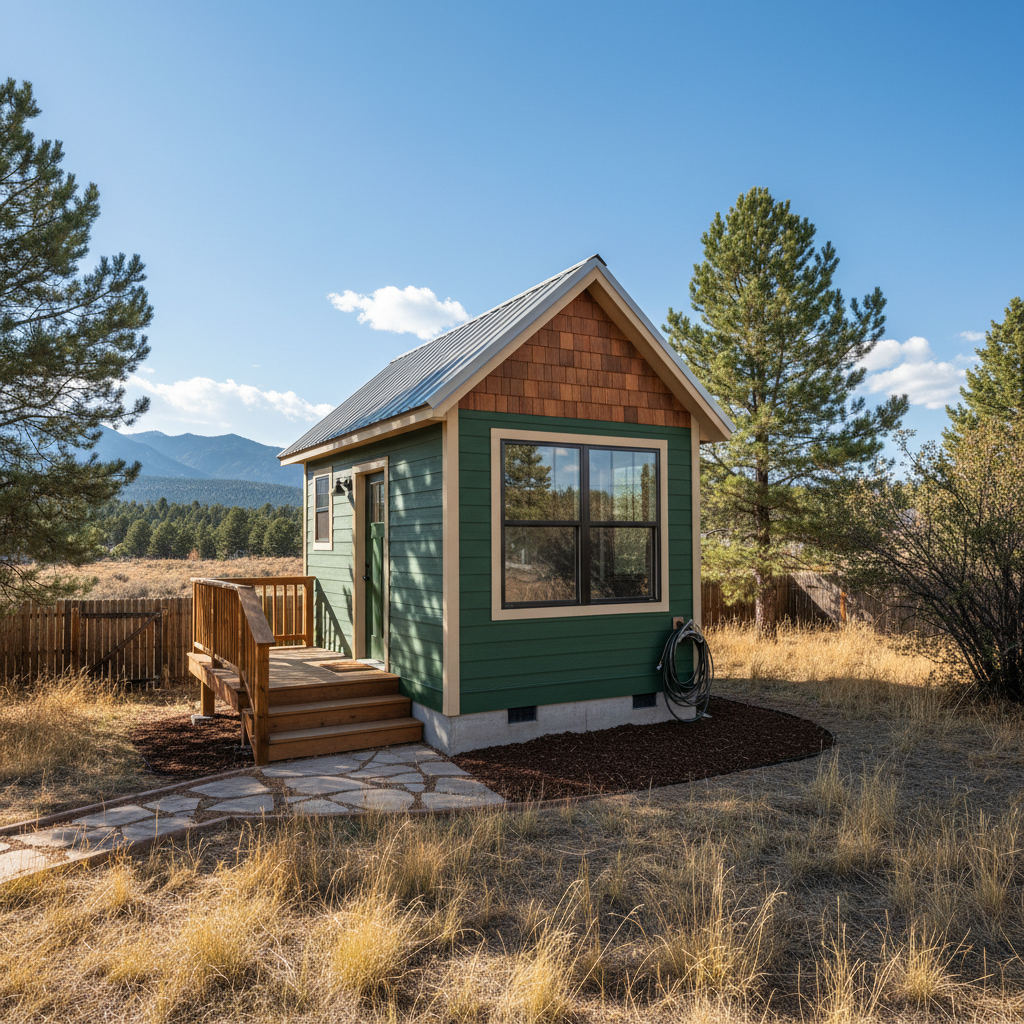
So, you're dreaming of a tiny home here in Parker, huh? It's a great idea for a lot of folks – maybe for a backyard office, an in-law suite, or just to simplify life. But let me tell you, I've seen my fair share of tiny home projects go sideways because people didn't really know what they were getting into. As a local contractor, I want to help you avoid those headaches and regrets.
Ignoring Parker's Zoning & HOA Rules
This is probably the biggest, most expensive mistake I see people make. You can't just plop a tiny home down wherever you want, even if it's on your own property. Parker has specific zoning ordinances about accessory dwelling units (ADUs), how far back things need to be, and even the size and look of structures. Some neighborhoods, especially planned communities like Stonegate or Anthology, have HOAs with even stricter rules. You might need a permit for an ADU, or your HOA might just flat-out forbid it. I've seen people buy a beautiful tiny home, only to find out they can't legally put it on their lot. That's a real gut punch, isn't it? Before you even look at designs, call the Town of Parker's planning department and check with your HOA. Seriously, do that first.
Underestimating Utility Connections
A tiny home isn't just a shed; it needs power, water, and often sewer. Running these utilities from your main house can be a huge undertaking, and it often costs a lot more than you might think. You're not just plugging in an extension cord, after all. You might need to dig trenches, run new electrical lines from your main panel, and deal with plumbing tie-ins. Depending on your property's layout and the distance, this can add thousands to your budget. Don't just assume it's easy. Get quotes for utility hookups from licensed electricians and plumbers early in the process. This is often the hidden cost that blows budgets right out of the water.
Choosing the Wrong Foundation for Colorado Weather
Our Colorado weather isn't exactly gentle, is it? We get those crazy temperature swings, heavy snow, and sometimes even expansive clay soils around here. A tiny home needs a solid foundation that can handle all that. I've seen folks try to cut corners with simple concrete blocks or inadequate skids, and a few years later, they're dealing with shifting, uneven floors, or moisture issues. You need a proper foundation, whether it's a reinforced concrete slab, helical piers, or a well-engineered block and beam system that accounts for frost heave. Don't skimp here. A good foundation protects your investment and keeps your tiny home stable and dry.
Hiring the Cheapest Bid (Without Due Diligence)
Everyone wants a good deal, I get it. But with construction, the cheapest bid often comes with hidden costs or compromises in quality. When you're talking about a tiny home, you're talking about a structure that needs to be safe, durable, and comfortable. I've seen homeowners hire someone who gave them a ridiculously low price, only to find out they weren't licensed, didn't pull permits, or used substandard materials. Then you're stuck paying another contractor (like us at Parker Shed Solutions) to fix the mess. Always check references, look at their past work, and make sure they're properly licensed and insured. A reputable contractor will be transparent about costs and timelines.
Not Thinking About Long-Term Maintenance
Just because it's tiny doesn't mean it's maintenance-free. Our intense sun, dry air, and winter snow can take a toll on exterior finishes, roofs, and even foundations. Are you planning for regular exterior painting or staining? What about roof inspections? Proper drainage around the structure? These are all things that need to be considered. A well-built tiny home, with quality materials, will require less maintenance, but it won't be zero. Factor in the long-term upkeep when you're choosing materials and designs.
Forgetting About Access & Delivery
This one sounds simple, but it's a real problem sometimes. If you're buying a pre-built tiny home, how's it going to get to your backyard? Can a truck and trailer navigate your driveway, clear overhead lines, and fit through gates? I've seen deliveries get stuck or cause damage because the homeowner didn't think about the access route. If it needs to be built on-site, that's a different story, but if you're getting a modular unit, measure everything twice. You don't want your new tiny home stuck on the street because it can't make the turn into your yard.
Building a tiny home can be a fantastic project, but you've got to go into it with your eyes wide open. Do your homework, ask a lot of questions, and don't be afraid to get professional advice. It'll save you a lot of grief (and money) in the long run.